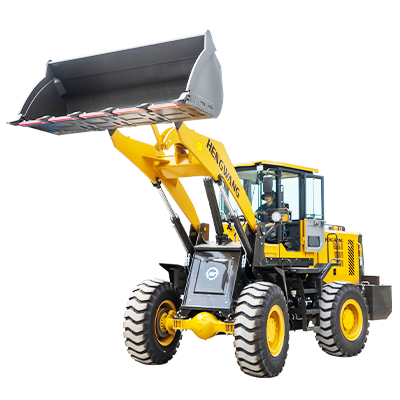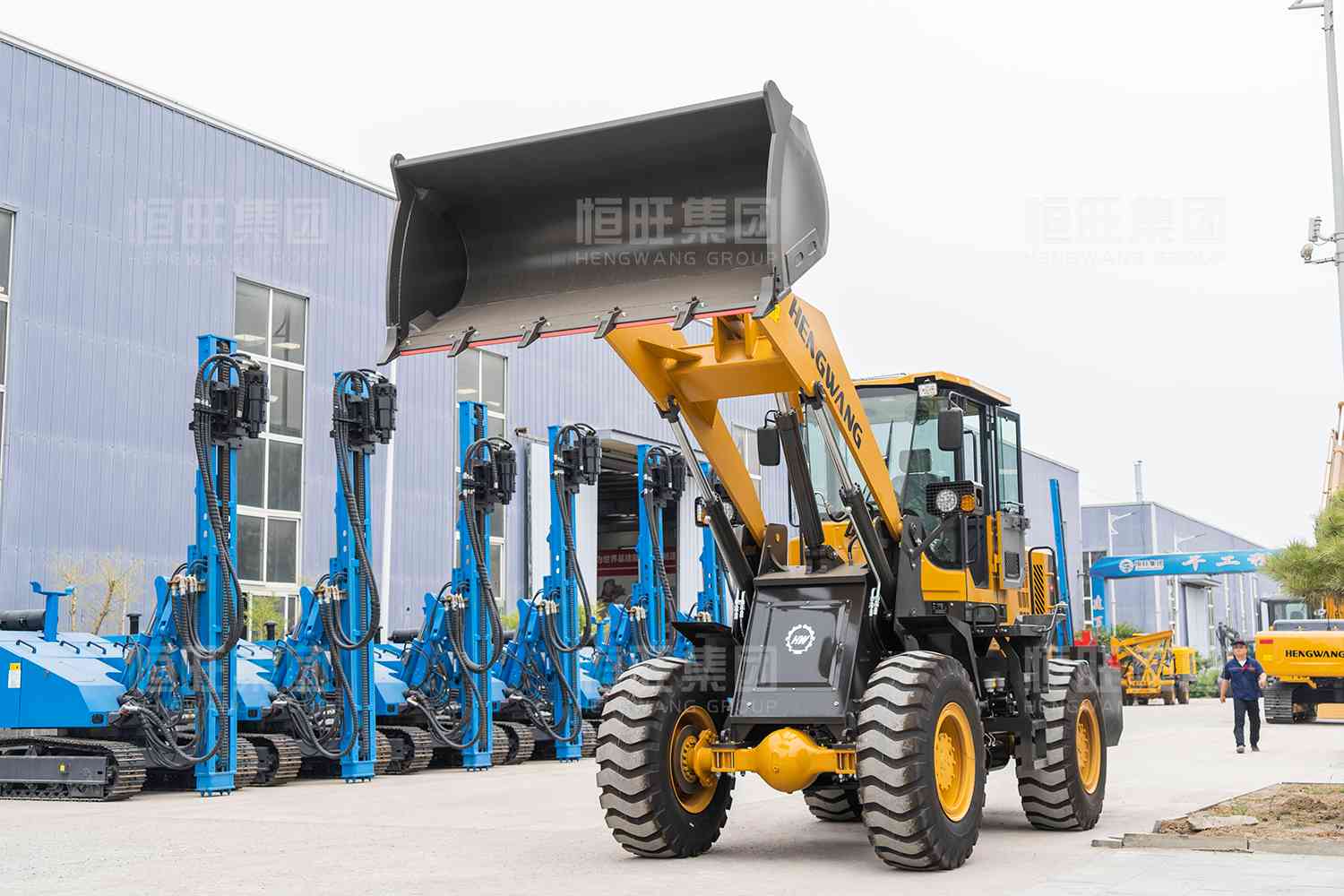
Common Fault Phenomenon: When the loader is driving, the first gear and reverse gear work normally, but the second gear cannot be driven (that is, it cannot be shifted up). This is a typical manifestation of abnormal driving.
Fault Troubleshooting and Solution Steps:
Check the Gear Shift Handle:
First, confirm whether the gear shift handle in the cab is operated in place. If not, readjust its position or mechanism.
Check the Transmission Pressure:
Observe the transmission pressure gauge. When the handle is placed in the second gear position, pay attention to whether the pressure is significantly lower than the normal value.
If the pressure is too low, immediately check whether there are signs of hydraulic oil leakage around the side cover of the transmission case.
Leakage Found: Try tightening the connecting bolts around the side cover. If tightening is ineffective, remove the side cover and replace its sealing ring and gasket.
Check the Second Gear Assembly (if there is no leakage or the problem still persists after handling the leakage):
Check the Oil Seal: Check whether the oil seal of the assembly is damaged.
Disassemble and Inspect: Remove the piston and carefully check whether the piston ring, sealing ring, and friction plate are worn, broken, or damaged.
Check the Guide Pin: Focus on confirming whether the piston guide pin in the second gear oil cylinder has fallen off. The falling off of the guide pin is a common cause of the leakage of the second gear pressure oil, resulting in insufficient pressure and inability to drive.
If no leakage is found in step 2 or the second gear is still invalid after handling and the pressure is still low, it indicates that the problem is likely in the second gear assembly inside the transmission case.
Disassemble the second gear assembly for detailed inspection:
Repair and Replacement:
Replace all damaged sealing parts (oil seal, sealing ring, gasket) according to the inspection results.
Replace the damaged friction plate.
If the guide pin has fallen off, reinstall it correctly or replace it.
Repair or replace other damaged parts found (such as the piston, piston ring).
Comprehensive Inspection (if the above steps are all ineffective):
If the problem is still not resolved after troubleshooting and repairing according to the above steps, it is recommended to conduct a more comprehensive and in-depth inspection of the entire transmission system of the loader (including the transmission pump, filter element, valve body, related oil circuit, etc.) to completely eliminate potential safety hazards and ensure safe operation.